
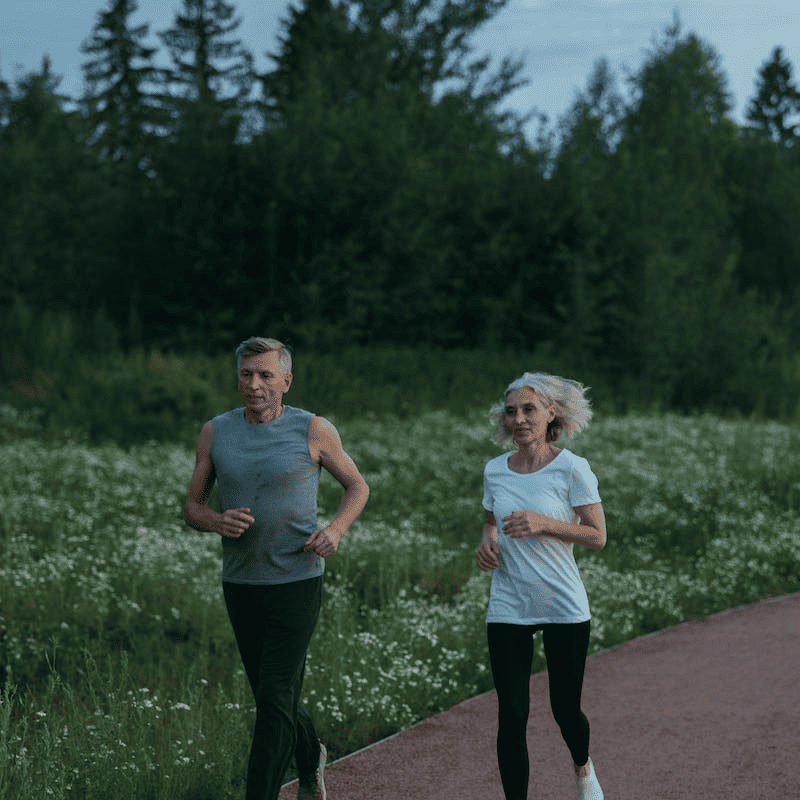
7 Essential Low-Impact Exercises for Seniors: Boost Your Longevity & Vitality
As an older adult, maintaining an active lifestyle is more than just a choice; it enhances our overall well-being, ensures health and longevity, and enriches our lives.
Selecting forms of exercise that align with our physical capabilities and contribute to our health without causing harm is crucial. Low-impact exercises are excellent options for seniors and older adults for regular exercise. When getting started, choose workout clothes that are appropriate to the activity and are comfortable for you. Please also consult your provider before starting a new exercise routine.
Each of us is unique, so let’s dive into the seven quintessential low-impact exercises so that you can choose the low-impact workout best suited to your lifestyle and preferences.
Please also check out our other article on anti-aging supplements that may support you in your healthy lifestyle journey!
This guide on the best low-impact exercises for older adults will walk you through the health benefits, give tips for getting started, and establish your fitness goals and routines to support your journey to a healthy lifestyle.
Stretching and Warm-up Exercises for Seniors
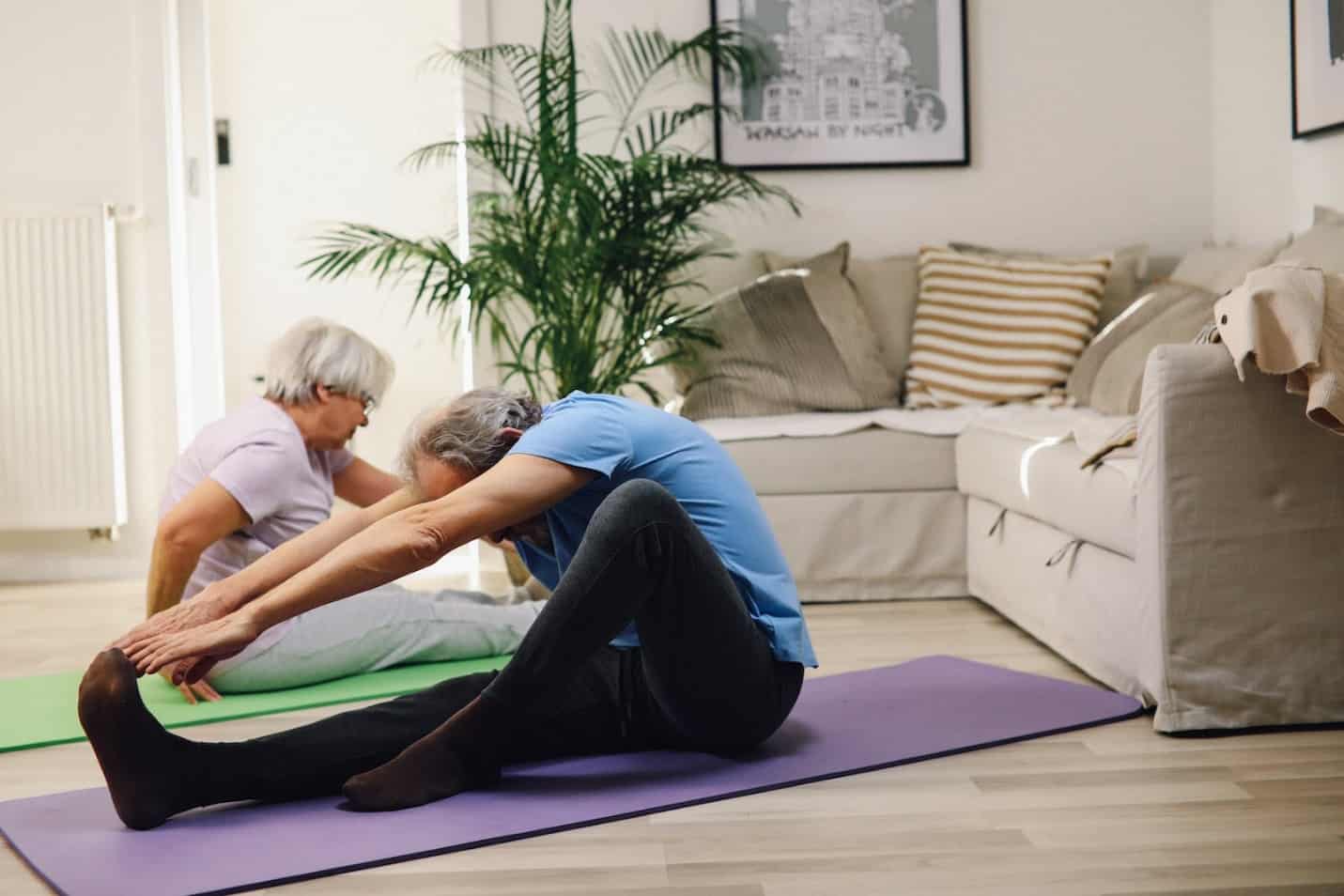
Stretching and warm-up exercises are pivotal components of a comprehensive fitness regimen, especially for seniors and older adults. These low-impact exercises for seniors lay the groundwork for a healthy, active lifestyle, ensuring that older adults can engage in physical activities safely and effectively.
Benefits of Stretching and Warm-Up
The health benefits of regular stretching and warm-up exercises are manifold. These activities enhance flexibility, reduce the risk of injuries by preparing the muscles and joints for physical activity, and improve circulation, which is crucial for heart health and muscle function. Additionally, a consistent stretching routine can alleviate pain and stiffness associated with arthritis, improving the range of motion and overall mobility.
Getting Started with Stretching and Warm-Up Routines
Initiating a stretching and warm-up routine is accessible and requires no special equipment, making it a great, low-impact exercise for seniors new to exercise. Starting with simple movements that target major muscle groups and gradually incorporating more specific exercises can build a solid foundation. Online tutorials and classes can provide guidance and structure, ensuring the exercises are performed safely and effectively.
Recommended Stretching and Warm-Up Routine
Incorporating stretching and warm-up exercises into daily routines can significantly impact health and mobility. A daily session of 10-15 minutes focusing on gently stretching the major muscle groups is a good starting point before exercise or starting the day’s activities.
Walking: Promotes Physical and Mental Health and Overall Well-being
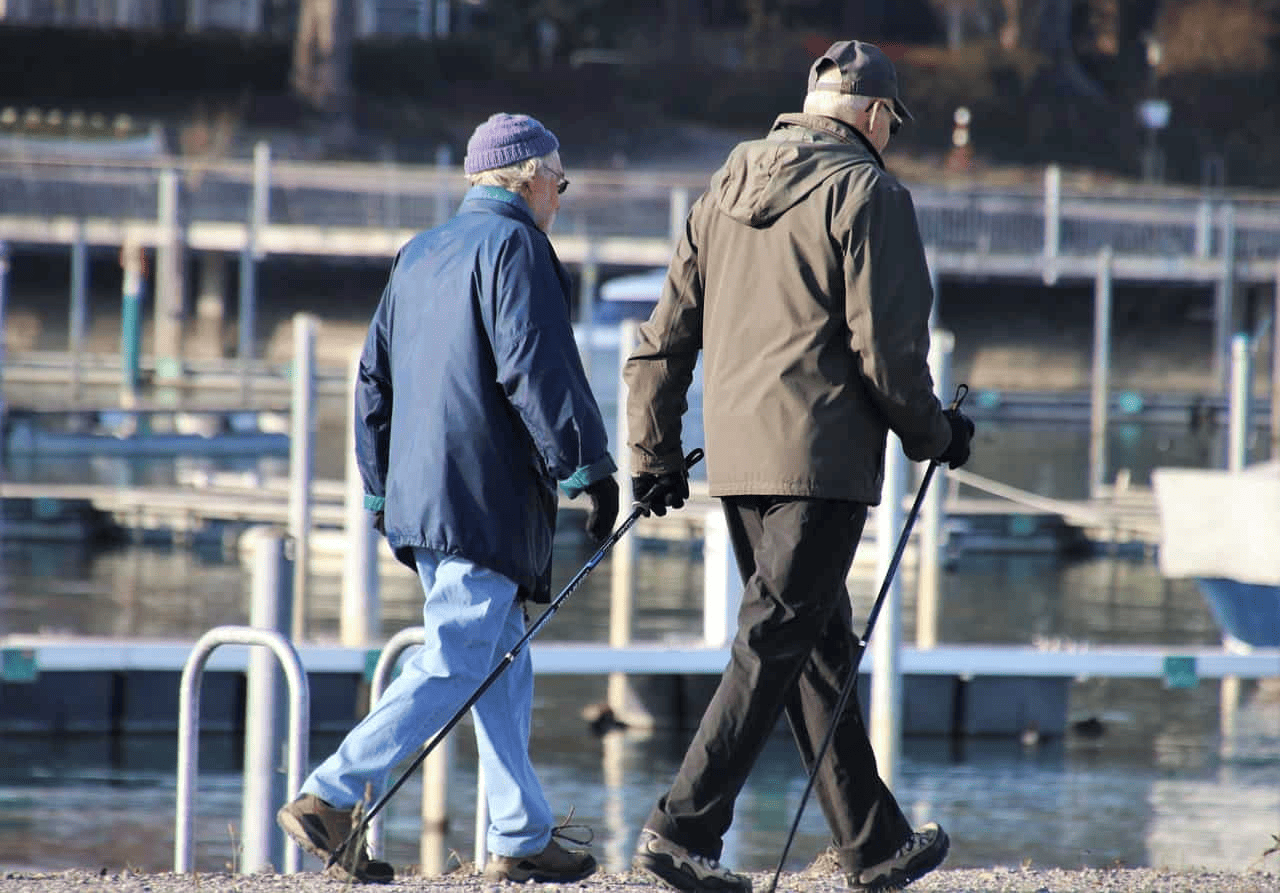
Walking is one of the simplest yet most effective forms of exercise. This gentle, low-impact activity is foundational for maintaining health, independence, and longevity.
Benefits of Walking for Seniors
For those aged 55 and above, the health benefits of walking are extensive and impactful. Regular walking sessions contribute to fitness levels and weight management, diminish the risk of heart disease, bolster mental health, and enhance sleep quality.
Moreover, it fortifies muscles and bones, mitigating the risk of osteoporosis and muscle weakness. Beyond the physical perks, outdoor walking provides a valuable opportunity to connect with the community and nature, promoting comprehensive well-being.
Initiating a Walking Regimen
Embarking on a walking routine is as straightforward as stepping outside and engaging in a brisk walk. However, beginning with shorter, easily manageable distances is recommended, gradually extending the walk’s duration and intensity. Integrating walking into daily routines, such as walking to the post office or enjoying a park stroll, can effortlessly infuse more activity into one’s daily life, and you may meet new friends!
Incorporating Indoor Walking Options
To ensure continuity and variety in your walking routine, considering indoor options like treadmills and walking pads can be highly beneficial, especially when outdoor conditions are not favorable.
Treadmills offer the flexibility to adjust speed and incline, catering to various fitness levels and making it easy to track progress. On the other hand, walking pads are compact, easily storable, and ideal for those with limited space, providing a convenient way to maintain daily walking goals.
Recommended Walking Routine
For seniors, targeting a daily brisk walk is an excellent objective. Starting with sessions as brief as 10 to 15 minutes and progressively aiming for 30 minutes or beyond can yield considerable health benefits.
Introducing diverse routes and terrains, along with indoor options like treadmills and walking pads, can make the walking routine more stimulating and enjoyable. Moreover, walking alongside a friend or with a pet can further enrich the experience.
Swimming: Dive into Full-Body Fitness without Joint Pain
Swimming is one of the low-impact exercises for seniors, and it is an exceptional choice for older adults seeking an effective form of exercise that is not high-impact. Swimming allows for a full-body workout while minimizing joint stress, which benefits seniors or those with mobility issues.
Benefits of a Swimming Exercise Routine
The health benefits of swimming encompass a broad spectrum. When submerged, the body benefits from reduced joint pain or stress while receiving adequate resistance to tone muscles, enhance physical fitness and cardiovascular health, build core muscles, and increase flexibility.
Getting Started with Swimming: Laps or Water Aerobics
Embarking on a swimming regimen is straightforward—join a local pool or community center offering beginner classes or water aerobics. These venues provide professional guidance and foster a social atmosphere that can significantly boost motivation. Beginning with fundamental strokes under expert supervision builds confidence and ensures safety and enjoyment in the water.
Recommended Swimming Exercise Routine
Regular exercise is best, so aiming for 30 minutes of swimming laps or water aerobics 3 to 5 days a week provides a balanced approach to fitness. Incorporating a variety of strokes and exercises ensures engagement across different muscle groups, creating a comprehensive workout that promotes overall health.
Cycling for Seniors: A Guide to Indoor and Outdoor Biking for Health and Longevity
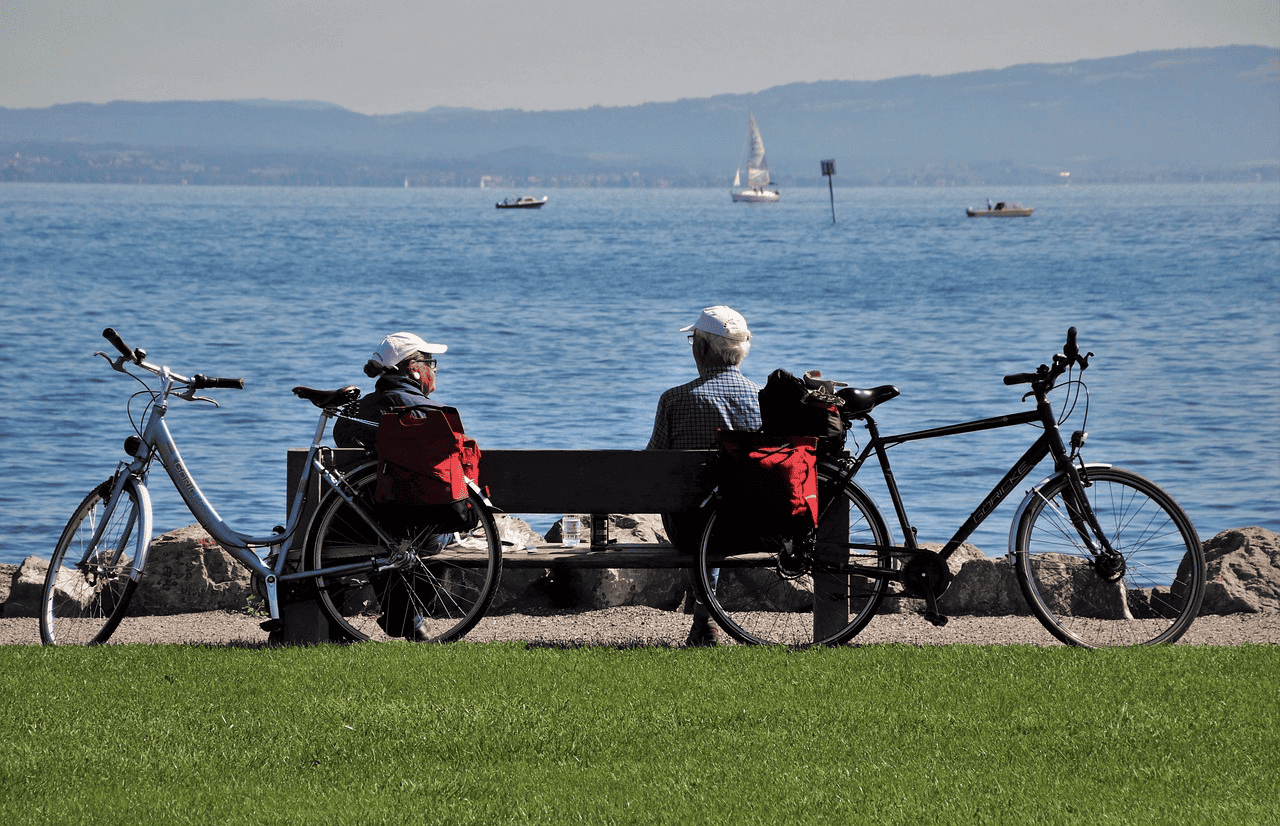
Cycling is a versatile and low-impact exercise with immense appeal for older adults, offering a comprehensive way to boost physical activity while minimizing the strain on the body.
Comprehensive Benefits that Cycling Offers
The health benefits of cycling, regardless of the type of bicycle used, are significant for seniors. Regular cycling sessions can enhance cardiovascular fitness, promote muscle strength, improve joint mobility, and contribute to weight management.
Getting Started with Cycling
Beginning a cycling routine is straightforward, whether you prefer the great outdoors or the comfort of your home. There are many options to accommodate a wide range of fitness levels and personal preferences.
- Traditional bikes offer a classic cycling experience, ideal for those who enjoy outdoor activities and have the mobility to handle various terrains.
- Stationary bikes provide a safe and controlled environment for indoor exercise, perfect for year-round fitness regardless of weather conditions.
- Electric bikes reduce the physical strain of cycling, making outdoor adventures more accessible for seniors with limited stamina or mobility issues.
Recommended Cycling Routine
Incorporating a cycling exercise program into your routine can yield lasting health benefits. Aim for 20-30 minutes of cycling three to four times a week, adjusting the frequency, duration, and intensity as your fitness level improves.
For those using stationary bikes, incorporating intervals can enhance cardiovascular health. Outdoor cyclists can vary their routes to include different incline levels and scenery, keeping the experience fresh and engaging.
Yoga: Improve Balance and Less Stress for a Healthy Lifestyle
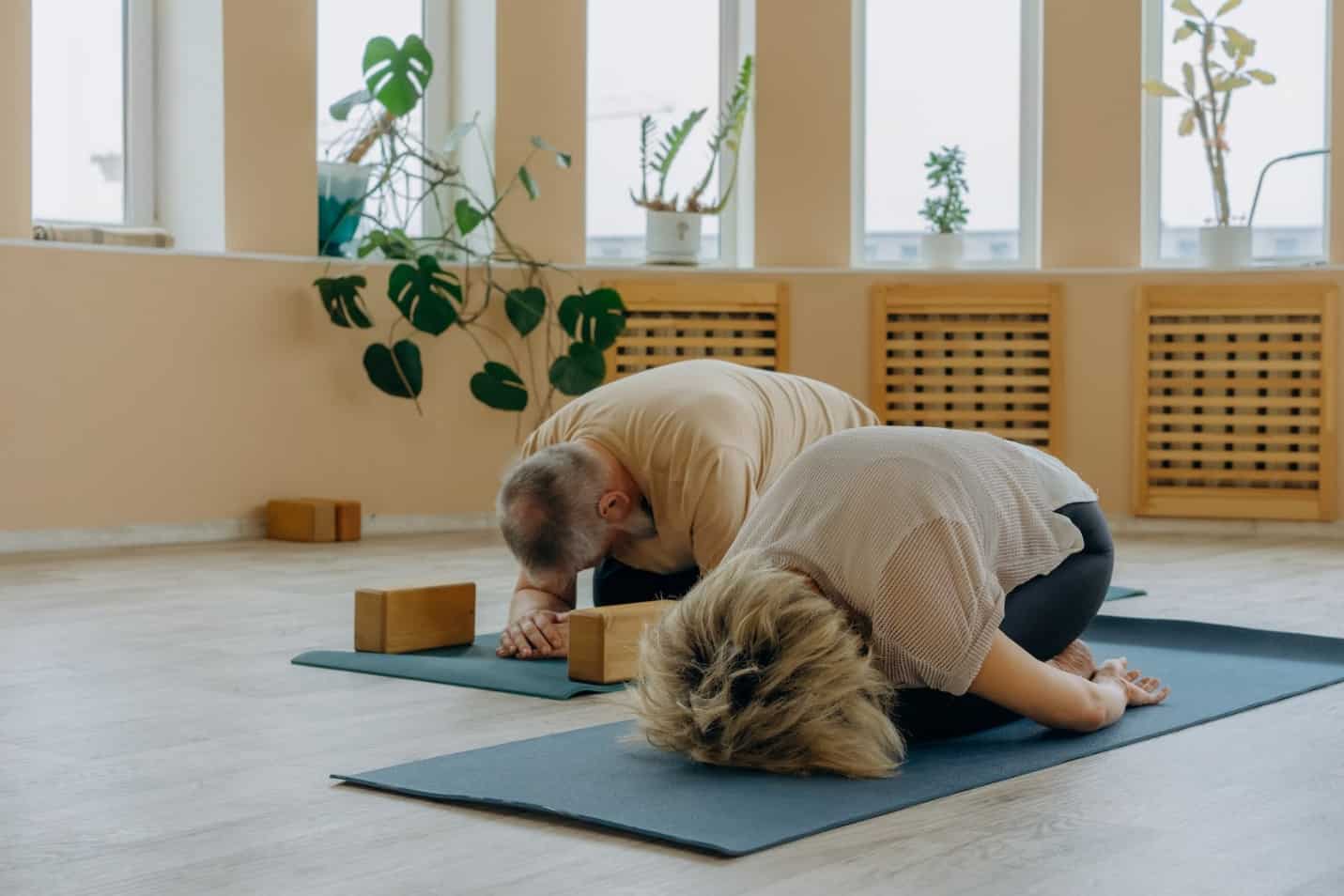
With its ancient roots and holistic approach to well-being, yoga offers another choice in low-impact exercises for seniors with a wide range of styles to meet individual needs and preferences.
Benefits of Yoga for the Older Adults
The health benefits of yoga for seniors are extensive, addressing both physical and mental well-being. Regular practice improves flexibility, strengthens muscles, and enhances balance, significantly reducing the risk of falls.
Yoga also promotes joint health, aiding in managing arthritis and stiffness. Beyond physical health, yoga offers mental clarity, stress relief, and improved sleep patterns, contributing to overall happiness and quality of life.
Ideal Yoga Practices for Seniors
Seniors and older adults will find both traditional yoga and chair yoga appealing, depending on their physical condition and fitness level. Yoga offers a range of styles so that everyone can find a suitable practice, including the following:
- Hatha Yoga Poses – slower pace, balance, and focus basic postures
- Iyengar Yoga – use props such as blocks and blankets
- Restorative Yoga – focus on relaxation and healing
- Chair Yoga – well-suited for those with balance or mobility issues
- Gentle Yoga – integrates breathing exercises and flexibility to reduce stress
- Yin Yoga – meditative practice of holding poses extended length, balance, improving flexibility
- Aquatic Yoga – uses buoyancy to minimize stress on joints
Getting Started with Yoga and Chair Yoga
Embarking on a yoga journey requires minimal equipment, making it an accessible activity for seniors. Starting with chair yoga or gentle yoga classes designed for seniors can provide a supportive environment to learn the basics under professional guidance. Many community centers, senior centers, and gyms offer yoga classes emphasizing safety and individual pace.
Recommended Yoga Routine
For beginners, starting with two to three sessions per week, each lasting 20-30 minutes, is advisable. As flexibility and confidence improve, gradually increasing the frequency and duration of sessions can enhance the benefits. Incorporating a variety of poses and focusing on breathwork are critical components of a balanced yoga practice.
Comprehensive Resistance to Improve Physical Fitness: Bands, Weights, and More
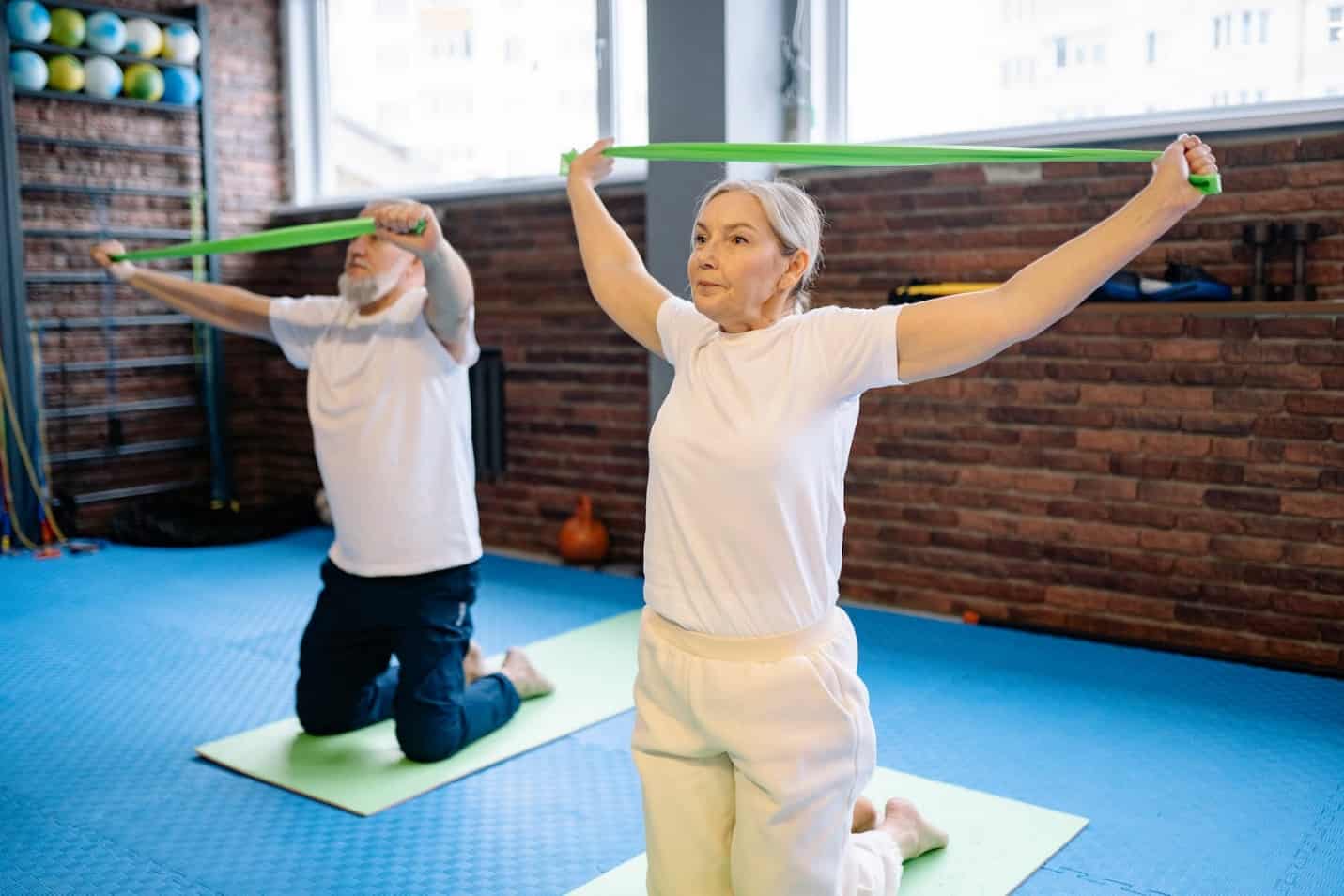
Resistance training is another great low-impact workout encompassing a broad spectrum of exercises, including resistance band workouts, weightlifting, and bodyweight exercises, offering a versatile and practical low-impact workout option for seniors.
This adaptable form of exercise is suitable for individuals across various fitness levels, making it an exceptional choice for older adults looking to enhance their health and longevity.
Benefits of Comprehensive Resistance Training for Seniors
The benefits of engaging in various resistance training exercises are substantial. This form of exercise is instrumental in promoting muscle tone and core strength, enhancing flexibility, and improving joint mobility—critical factors in maintaining independence and daily functioning.
Resistance training, including the use of bands and weights, provides strength training, aids in improving balance and reducing the risk of falls, and can be tailored to aid in rehabilitating injuries. Furthermore, incorporating different forms of resistance exercises can prevent workout monotony, keeping seniors motivated and engaged in their fitness journey.
Ideal Practices for Senior Resistance Training
Seniors and older adults will find comprehensive resistance training especially beneficial due to its versatility and effectiveness.
- From resistance bands that offer adaptable resistance levels to light weightlifting that strengthens different muscle groups, there are options to suit everyone.
- Bodyweight exercises also play a crucial role, allowing for strength training without equipment, such as push-ups, crunches, and squats.
- Weightlifting exercises can be done at home with light weights or at a gym or community center.
Getting Started with Comprehensive Resistance Training
Initiating a resistance training routine requires minimal equipment, and all forms support strength training. Beginners might start with resistance bands of lighter resistance, incorporating bodyweight exercises like squats and push-ups as they progress. For those interested in weightlifting, starting with light weights and focusing on proper form is essential. Classes specifically designed for seniors, online instruction, or personal trainers can provide guidance, ensuring exercises are performed safely and effectively.
Recommended Resistance Training Routine
A balanced resistance training routine for seniors might include 20-30 minutes of exercise two to three times a week. Incorporating a mix of resistance band exercises, light weightlifting, and bodyweight exercises ensures all major muscle groups are targeted.
Emphasizing controlled movements and proper technique is crucial for engaging muscles effectively and avoiding injury. As strength and flexibility increase, seniors can gradually introduce more challenging exercises and heavier weights or bands to continue promoting physical growth.
