
The Best Strategies and Supplements for Healthy Weight Gain in the Elderly
Weight management is a topic that often graces the headlines, with a significant focus on weight loss. However, for the elderly, the challenge sometimes shifts towards gaining or maintaining a healthy weight.
Age-related weight loss can be a cause for concern, linked to muscle loss, nutritional deficiencies, and a decreased quality of life. In this blog post, we’ll explore effective strategies and supplements to avoid unintentional weight loss and support healthy weight gain in older adults.
Understanding the Need for Weight Gain
Before discussing the strategies, it’s crucial to understand why some elderly individuals may need to gain weight. As we age, metabolism, digestive efficiency, and appetite changes can lead to unintentional weight loss. Moreover, certain medical conditions and medications can exacerbate this issue, making it challenging to get enough calories to maintain a healthy weight.
Physiological Changes Impacting Weight and Nutrition
- Metabolic Shifts: Our basal metabolic rate (BMR) decreases as we age. This reduction in metabolism means the body needs fewer calories for essential functions, which can easily lead to weight gain if calorie intake isn’t adjusted accordingly. Conversely, this lower metabolic rate can also contribute to muscle mass loss, exacerbating the challenge of maintaining a healthy weight.
- Altered Digestive Efficiency: Aging affects the digestive system’s structure and function, leading to changes in gastric motility and the production of digestive enzymes. This can impact the body’s ability to absorb essential nutrients, such as B12, calcium, and iron, crucial for maintaining energy levels and overall health.
- Changes in Appetite and Eating Patterns: Various factors contribute to a reduced appetite in the elderly, including changes in taste and smell, dental problems that make eating difficult, and the side effects of medications.
Psychological and Social Factors
- Isolation and Loneliness: For many seniors, losing a spouse, family member, or friend can lead to increased feelings of loneliness and isolation, which can negatively impact eating habits and nutritional intake. The social aspect of dining plays a crucial role in appetite; without it, interest in food can wane.
- Cognitive Decline: Cognitive changes, including dementia and Alzheimer’s disease, can affect an elderly person’s ability to shop for groceries, prepare meals, or even remember to eat, significantly impacting their nutritional status and weight.
Health Conditions and Medication Effects
- Chronic Diseases: Chronic conditions such as diabetes, heart disease, and osteoporosis are more common in older adults and can influence dietary needs and restrictions, complicating nutrition and weight management.
- Medication Side Effects: Many medications taken by older adults have side effects that can affect appetite, taste, and the body’s metabolism. Some drugs might lead to increased appetite and weight gain, while others could cause nausea, reduced appetite, or even interfere with nutrient absorption.

Understanding these multifaceted changes requires a comprehensive approach to care and support for older adults.
Strategies for Healthy Weight Gain
Healthily gaining weight involves more than just eating extra calories; it’s about choosing the right foods and supplements to ensure nutritional balance and support overall health. Here are some proven strategies:
1. Increase Caloric Intake Wisely
Consuming more calories than the body burns is the foundation of weight gain. However, for older adults, focusing on nutrient-dense foods that provide vitamins, minerals, healthy fats, protein, and other nutrients is essential. Options like avocados, nuts, seeds, whole grains, and lean proteins can offer the necessary caloric boost without compromising health.
2. Focus on Protein
Protein is crucial for muscle maintenance and growth, particularly for aging individuals facing muscle loss or sarcopenia. Incorporating protein-rich foods like poultry, fish, eggs, legumes, dairy, and nutritional shakes into the senior’s diet can help stimulate muscle synthesis and support healthy weight gain.

3. Incorporate Strength Training
Physical activity, especially strength training, is vital for healthy metabolism, building muscle mass, and stimulating appetite. Even simple resistance exercises can significantly improve muscle health and aid in weight gain.
4. Enhance Flavor and Appeal
A common challenge among older adults is a reduced sense of taste and decreased appetite. Making meals more flavorful and visually appealing can help stimulate appetite and encourage a higher intake of calories and nutrients.
Supplements to Support Weight Gain
While food should be the primary food source of nutrients, nutritional supplements can play a supporting role in ensuring adequate intake of vitamins and minerals :
1. Protein Supplements
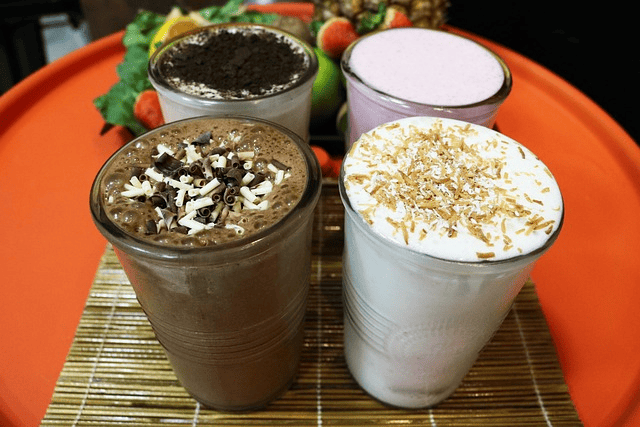
Protein supplements, such as casein protein and whey, can be an effective way to increase protein intake and provide essential amino acids. High-calorie shakes made with protein powder can assist with weight gain, especially for those who struggle with eating large amounts of food or have higher protein needs due to medical conditions.
2. Creatine
Creatine is a well-known nutritional supplement or protein powder used in the fitness world. It has been proven to support muscle mass, strength, and physical performance. It can be particularly beneficial for elderly individuals engaged in resistance training, helping to enhance muscle mass growth and functional strength.
3. Omega-3 Fatty Acids
Supplements like fish oil, rich in omega-3 fatty acids, have been shown to stimulate muscle protein synthesis and combat inflammation, supporting healthy weight gain and muscle health.
4. Vitamin D and Calcium
These nutritional supplements are crucial for bone health, which is vital for older adults. Adequate vitamin D and calcium intake can support mobility and reduce the risk of fractures, indirectly supporting the ability of older adults to maintain an active lifestyle and healthy weight.
Practical Tips for Implementing These Strategies
Implementing these strategies can be challenging, so here are a few practical tips:
- Plan Meals: Prepare nutrient-dense meals that are protein-rich and integrate healthy fats in advance to ensure that healthy options are always available.
- Eat Small, Frequent Meals: For those with a small appetite, eating smaller meals more frequently can make it easier to increase calorie intake.
- Stay Hydrated: Ensure adequate hydration, but be cautious about drinking too much before or during meals, as it can reduce appetite.
- Please consult a Professional: Before making significant changes to the diet or introducing supplements, it’s essential to consult with a healthcare professional, particularly a dietitian who can tailor advice to individual health needs and conditions.

Nutrient-Dense Meal Plan for Healthy Weight Gain in Older Adults
Gaining weight, especially in older adults, requires a thoughtful balance of nutrient-dense foods and adequate caloric intake. With changes in metabolism and appetite and the increased need for certain nutrients, creating a meal plan that addresses these aspects is critical.
Here, we present a three-day meal plan designed for gradual, healthy weight gain in older adults. It integrates multiple small meals that appeal to those with decreased appetites. This plan emphasizes lean proteins, healthy fats, various fruits, vegetables, and whole grains, aligning with the Recommended Dietary Allowances (RDA) guidelines.
Day 1: Building Blocks of Nutrition
Breakfast: Avocado and Egg Toast
- 2 slices of whole-grain bread, toasted
- 1 avocado, mashed
- 2 eggs, poached or soft-boiled
- Side of mixed berries
Morning Snack: Nutty Banana Yogurt
- 1 cup of Greek yogurt, full-fat
- 1 sliced banana
- A sprinkle of walnuts and a drizzle of honey
Lunch: Quinoa Salad with Grilled Chicken
- 1 cup cooked quinoa
- 4 oz grilled chicken breast, sliced
- Mixed greens (spinach, arugula)
- Cherry tomatoes, cucumbers, and feta cheese
- Olive oil and lemon juice dressing
Afternoon Snack: Hummus and Veggie Sticks
- ¼ cup hummus
- Carrot, bell pepper, and cucumber sticks
Dinner: Salmon with Sweet Potato and Broccoli
- 4 oz grilled or baked salmon
- 1 medium sweet potato, roasted
- 1 cup of steamed broccoli
- A drizzle of olive oil on vegetables
Evening Snack: Cottage Cheese with Pineapple
- ½ cup full-fat cottage cheese
- ½ cup diced pineapple
Day 2: Focus on Protein and Healthy Fats
Breakfast: Greek Yogurt Parfait
- 1 cup of Greek yogurt, full-fat
- Layers of granola, mixed nuts, and fresh berries
Morning Snack: Almond Butter on Rice Cakes
- 2 rice cakes
- 2 tablespoons almond butter
- Sliced strawberries on top
Lunch: Turkey and Avocado Wrap
- Whole wheat wrap
- 4 oz sliced turkey breast
- Avocado slices, lettuce, tomato, and cheese
- Mustard or hummus for spread
Afternoon Snack: Cheese and Whole-Grain Crackers
- 1 oz cheese of choice
- A serving of whole-grain crackers
Dinner: Beef Stir-Fry with Brown Rice
- 4 oz lean beef, sliced and stir-fried with a mix of bell peppers, broccoli, and snap peas
- Serve over 1 cup of cooked brown rice
- Season with low-sodium soy sauce and sesame oil
Evening Snack: Dark Chocolate and Almonds
- 1 oz dark chocolate (at least 70% cocoa)
- A small handful of almonds
Day 3: Balancing Carbs, Proteins, and Fats
Breakfast: Oatmeal with Nuts and Fruit
- 1 cup cooked oatmeal
- Mixed in: sliced almonds, chia seeds, and diced apples
- A dash of cinnamon and a drizzle of maple syrup
Morning Snack: Boiled Eggs and Avocado
- 2 hard-boiled eggs
- ½ sliced avocado
Lunch: Tuna Salad on Whole Grain Bread
- 4 oz canned tuna mixed with a bit of mayo, celery, and onion
- Served on 2 slices of whole-grain bread with lettuce and tomato
Afternoon Snack: Smoothie
- Blend 1 banana, ½ cup berries, 1 scoop protein powder, 1 tablespoon flaxseed, and 1 cup milk of choice
Dinner: Chicken Thighs with Quinoa and Green Beans
- 4 oz roasted chicken thighs
- 1 cup cooked quinoa
- 1 cup steamed green beans with almonds
Evening Snack: Greek Yogurt with Honey and Cinnamon
- 1 cup of Greek yogurt, full-fat
- A drizzle of honey and a sprinkle of cinnamon
Conclusion
Promoting weight gain requires a careful and well-balanced diet, focusing on nutrient-dense foods, adequate protein intake, and potentially beneficial supplements. By combining these dietary strategies with physical activity and healthcare professionals’ guidance, elderly individuals can achieve a healthier weight, improve their quality of life, and support their overall well-being.
Remember, every individual’s needs are different, and what works for one person may not work for another. It’s crucial to approach your weight gain goals with patience, persistence, and a focus on health.
Resources
For further reading and to explore the topics discussed in more detail, consider consulting reputable sources such as the Academy of Nutrition and Dietetics and the National Institute on Aging. These resources offer valuable insights into the nutritional needs of the elderly and practical advice on managing weight, diet, and exercise.
In addition to these resources, engaging with online communities or support groups can provide personal insights and encouragement from others facing similar challenges. Social platforms and forums for senior health can be excellent places to share experiences, tips, and moral support.
Moving Forward
While the goal may be weight gain, it is equally vital that the focus is also focused on improving nutritional status, strength, immune function, and overall heart health. It’s a journey that involves not just the individual but often caregivers, family members, and healthcare professionals working together to create a supportive and effective environment for health improvement.
Key Takeaways
- Nutrition is Key: Emphasize nutrient-dense foods that provide calories and essential nutrients to support overall health.
- Supplement Wisely: Consider supplements like protein powders, creatine, omega-3 fatty acids, and vitamins D and calcium to support dietary intake, but only under professional guidance.
- Incorporate Physical Activity: Engage in regular, tailored physical activity, especially strength training, to improve muscle mass and function.
- Consult Professionals: Work with healthcare providers and dietitians to tailor strategies to individual health conditions and needs.
- Patience and Persistence: Weight gain can be a slow process. Continuous effort and adjustments based on progress and health changes are crucial.
Closing Thoughts
Gaining weight is a nuanced and complex process that demands a compassionate and informed approach. By focusing on comprehensive nutritional strategies, appropriate supplementation, and incorporating physical activity, elderly individuals can make significant strides toward health goals, ultimately leading to achieving a healthier weight and improving their overall quality of life.
The journey towards health is personal and varied. Remember, the goal is not just to gain weight but to nourish the human body, enhance strength, and support a vibrant life in the golden years. With the right approach, support, and resources, healthy weight gain and improved well-being are achievable goals for the elderly population.
Further Assistance
If you or a loved one struggles with weight management in later life, don’t hesitate to seek help. Contacting a healthcare provider, a certified nutritionist, or a senior specialist can provide the necessary guidance and support tailored to your specific needs. Together, you can develop a plan that addresses weight gain and enriches health and wellness.
Remember, taking the first step towards a healthier future, to encourage weight gain, is always worth it. With the right strategies, support, and determination, the journey toward improved health and weight gain in older adults can be a fulfilling and successful endeavor.
Recommended Further Reading:
If you are interested in learning more about easy-to-swallow multivitamins, please read our recent article. https://healthylivingessentials.org/2024/04/05/finding-the-perfect-fit-easy-to-swallow-multivitamins-for-older-adults-and-seniors/
