
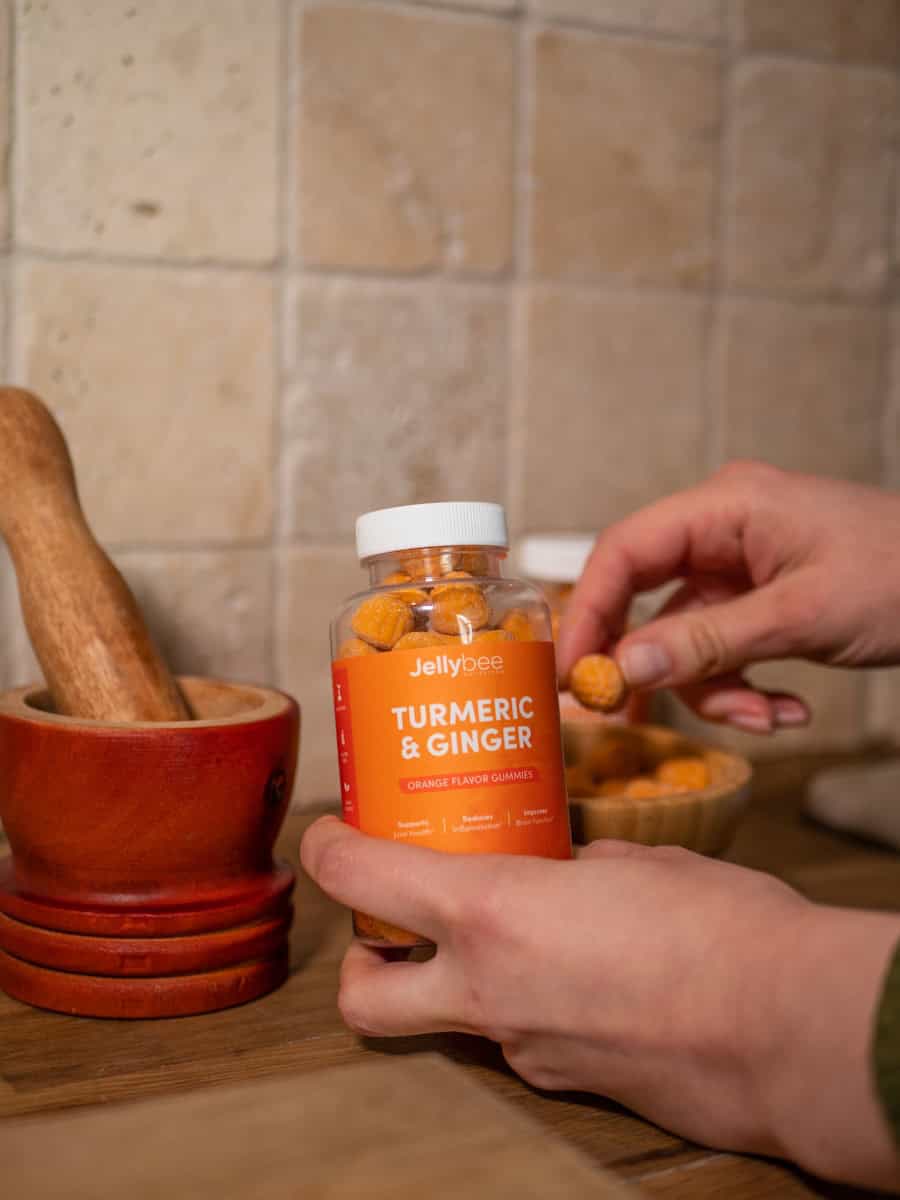
Is There an All in One Anti Inflammatory Supplement: Your Guide to Natural Relief
Best Supplements for Inflammation: A Comprehensive Guide for Effective Relief
Introduction
Are you looking for the best supplement for inflammation? Is your goal to find an all-in-one anti-inflammatory supplement? Whether you are dealing with chronic pain, irritation, or occasional flare-ups, inflammation can interfere with your quality of life and lifestyle. Natural supplements may help alleviate these symptoms.
Is there an all-in-one inflammatory supplement? Unfortunately, the answer is no, not at this time. However, a complete multivitamin rich in antioxidants can provide the foundation for addressing inflammation.
Please see my article on selecting a multivitamin for older adults and seniors.
In this guide, we will explore a variety of effective supplements used for inflammation and how they can help you lead a healthier, more comfortable life. Please continue reading to learn about the best anti-inflammatory supplements.
Understanding Inflammation: Causes and Symptoms
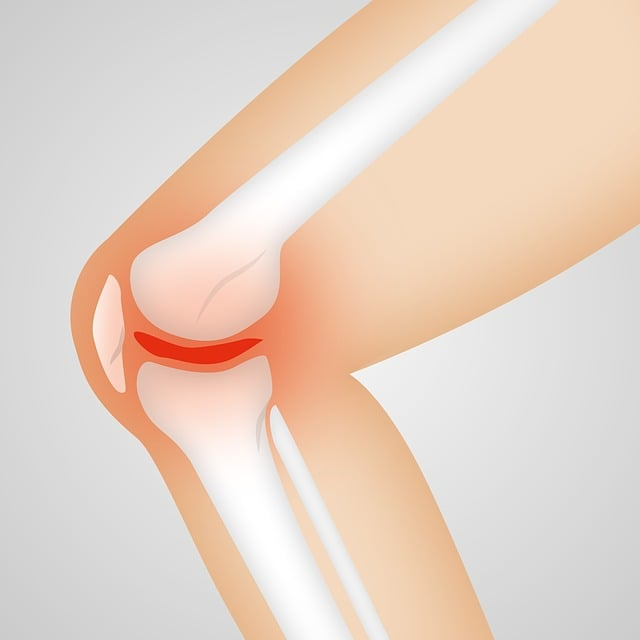
Inflammation is the immune system’s natural response to harmful stimuli like bacteria, viruses, or injuries. Common symptoms include redness, swelling, pain, and heat. It is your body’s immediate and time-limited response to an acute injury or infection.
While acute inflammation is necessary and beneficial when the body is fighting an infection, chronic inflammation is a prolonged, often less intense response that can lead to tissue damage and is associated with various chronic diseases.
Causes of Inflammation
- Infections
- Chronic Diseases
- Environmental Toxins
- Poor Diet
While medications are available to treat chronic inflammation, many people may prefer natural supplements as a more holistic and long-term alternative.
Common Inflammatory Conditions in Older Adults
As we age, the likelihood of experiencing inflammation-related issues increases, which can significantly impact daily life. Here are some common inflammatory conditions that affect older adults:
- Osteoarthritis is the most common form of arthritis. It is characterized by the breakdown of joint cartilage (mechanical wear and tear), leading to pain, stiffness, and reduced mobility. Osteoarthritis tends to present on one side or joint.
- Rheumatoid Arthritis: An autoimmune disease that causes chronic inflammation of the joints, resulting in pain, swelling, and potential joint deformity. It can be distinguished from Osteoarthritis given its symmetrical presentation (both sides, same joints).
- Gout: A type of arthritis caused by the buildup of uric acid crystals in the joints, leading to intense pain and inflammation.
- Tendinitis: Inflammation of the tendons, often caused by repetitive motion or overuse, resulting in pain and tenderness around the affected joint.
- Bursitis: Inflammation of the bursae, the small fluid-filled sacs that cushion the bones, tendons, and muscles near joints. Johns Hopkins Medicine notes that the most common causes are injury and overuse. Bursitis causes pain and limited movement.
These common inflammatory conditions can lead to chronic pain, decreased mobility, and a lower quality of life. Managing inflammation through diet, lifestyle changes, and supplements can allow you to live life fully.

Your First Line of Defense: Multivitamin
A comprehensive multivitamin provides essential nutrients that support various bodily functions, helping to reduce inflammation in several ways:
- Antioxidant Protection: Vitamins C and E are potent antioxidants that neutralize free radicals. These molecules cause oxidative stress and contribute to inflammation. By reducing oxidative stress, these vitamins help prevent chronic inflammatory conditions.
- Immune Support: Vitamin D is well-known for supporting the immune system. It helps modulate the immune response and reduces the production of inflammatory cytokines, proteins that promote inflammation. Adequate vitamin D levels are associated with a lower risk of inflammatory diseases.
- B Vitamins: These vitamins, including B6, B12, and folate, are essential for energy production and maintaining healthy nerve function. They also help regulate homocysteine levels, an amino acid linked to inflammation and cardiovascular diseases.
- Minerals: Minerals like zinc and magnesium are crucial in the body’s fight against inflammation. Zinc supports the immune system and has anti-inflammatory properties. At the same time, magnesium is involved in over 300 biochemical reactions, including those that regulate inflammation.
The Power of Antioxidants
Antioxidants are compounds that protect your cells from damage caused by free radicals. Including antioxidants in your multivitamin offers a robust defense against inflammation:
- Beta-carotene: A precursor to vitamin A, beta-carotene supports vision and immune function and has significant anti-inflammatory effects.
- Selenium: This essential trace mineral works with other antioxidants to prevent cellular damage and reduce inflammation .
- Flavonoids and Polyphenols: These plant compounds, found in various fruits and vegetables, significantly reduce inflammation and promote overall health.
Why a Complete Multivitamin to Address Inflammation?
A complete multivitamin with minerals and antioxidants ensures you receive a balanced intake of essential nutrients, supporting your body’s natural defenses and promoting cellular health.
While a multivitamin is not an all-in-one anti-inflammatory, it is a strong first line of defense.
This comprehensive approach helps reduce the risk of chronic diseases associated with inflammation, making it a proactive step towards better health. Please continue reading to discover additional natural supplements to reduce inflammation.
Terms Defined
- Immune cells make proteins that can stimulate or modulate the immune response. Examples include interleukins, interferons, and colony-stimulating factors.
- Antioxidants are chemicals that neutralize free radicals.
Natural Supplements for Inflammation
Turmeric
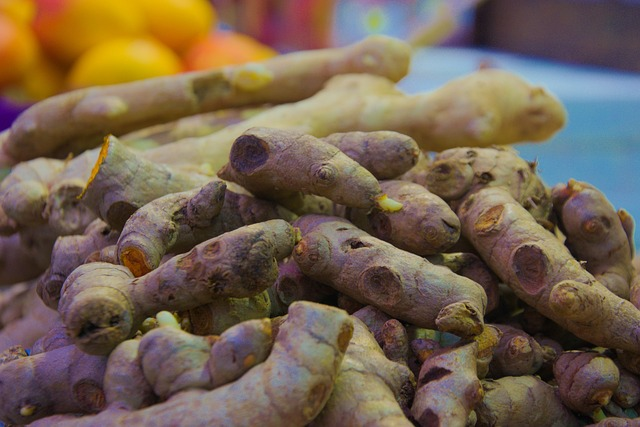
Turmeric, a vibrant yellow spice often used in curries, contains curcumin, a powerful anti-inflammatory compound. It is considered a staple in Indian cooking and is delicious. If you use the spice, handle it thoughtfully, as the loose powder may stain.
Curcumin blocks inflammatory molecules, acts as an antioxidant, and modulates various cellular pathways involved in inflammation. It inhibits enzymes and cytokines crucial in the inflammatory process, acts as an antioxidant, and modulates inflammation pathways.
Curcumin is often combined with piperine from black pepper to enhance absorption.
Benefits:
- Reduces joint pain
- Lowers the risk of heart disease
- Fights chronic inflammatory diseases
How to Use: You can take turmeric supplements in capsule form or simply add the spice to your food.
Recommended Dosage: For older adults, a typical dose is 500 to 2,000 mg of turmeric extract per day, standardized to contain 95% curcuminoids. Always start with a lower dose and adjust as needed based on your body’s response.
Natural Food Source: Turmeric root is often used in cooking, especially in Indian cuisine.
Omega-3 Fatty Acids
Omega-3 fatty acids, commonly found in fish oil supplements, are renowned for their anti-inflammatory properties. They help reduce the production of inflammatory cytokines and protect against various chronic diseases.
Benefits:
- Reduces heart disease risk
- Alleviates symptoms of rheumatoid arthritis
- Supports brain health
How to Use: Omega-3 supplements are available in capsule and liquid forms. You can also increase your intake of fatty fish like salmon and mackerel.
Recommended Dosage: A daily dose of 1,000 to 3,000 mg of combined EPA and DHA is recommended for older adults. EPA and DHA are long-chained polyunsaturated fatty acids found in fish and shellfish.
Natural Food Source: Fatty fish (salmon, mackerel, sardines), flaxseeds, chia seeds, and walnuts.
Ginger
Ginger, rich in gingerol and shogaols, is another potent anti-inflammatory supplement. Traditional medicine has used it for centuries to treat various ailments, including inflammation.
Gingerols and shogaols inhibit the production of pro-inflammatory cytokines and enzymes. These compounds block pathways and reduce oxidative stress, thereby decreasing inflammation. Additionally, ginger’s antioxidant properties help neutralize free radicals that contribute to inflammation.
Benefits:
- Reduces muscle pain and soreness
- Eases nausea and indigestion
- Supports immune function
How to Use: Ginger can be consumed fresh, dried, powdered, or as a supplement. Try adding it to teas, smoothies, or meals.
Recommended Dosage: A daily dose of 1,000 to 2,000 mg of ginger extract is suggested for older adults.
Natural Food Source: Fresh ginger root, tea, and powder.
Green Tea Extract
Green tea extract contains antioxidants, particularly EGCG, which significantly reduce inflammation and protect against cell damage. The catechins from green tea include EGCG, which has the highest anti-inflammatory and anti-cancer potential (Farhan, 2022).
Benefits:
- Enhances brain function
- Promotes fat loss
- Lowers the risk of some cancers
How to Use: Green tea extract is available in capsule form, but you can also enjoy drinking two to three cups of green tea daily.
Recommended Dosage: For older adults, a typical dose is 250 to 500 mg of green tea extract per day, standardized to 50% EGCG.
Natural Food Source: Green tea leaves.
Boswellia
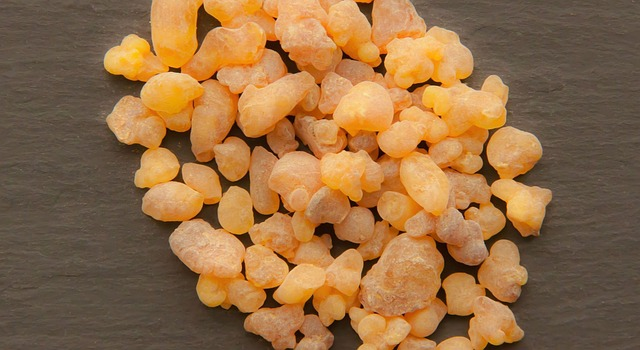
Boswellia, also known as Indian Frankincense, has been used in traditional medicine for centuries to combat inflammation and pain. Its active compounds, boswellic acids, are powerful anti-inflammatory agents.
In a systematic review of the effectiveness of Boswellia on Osteoarthritis, Boswellia was found to improve pain, stiffness, and joint function across seven trials with 545 patients (Yu et al., 2020).
Benefits:
- Reduces inflammation in joints and arthritis symptoms
- Alleviates symptoms of asthma
- Enhances gut inflammation and health
How to Use: Boswellia is available in capsule form and can be found in various topical creams.
Recommended Dosage: For older adults, 300 to 500 mg of Boswellia extract taken two to three times daily is recommended.
Natural Food Source: Boswellia resin (though typically not consumed as food).
How to Choose the Best Supplement for Inflammation
Choosing the best supplement for inflammation can be daunting, given the myriad of options available. Here are some key factors to consider:
- Quality and Purity: Look for supplements that are third-party tested to ensure they are free from contaminants.
- Dosage: Check the recommended dosage and ensure it meets your health needs.
- Form: Supplements come in various forms, including capsules, tablets, powders, and liquids. Choose the form that best suits your preferences.
- Ingredients: Avoid supplements with artificial additives and fillers.
Incorporating Anti-Inflammatory Supplements into Your Routine
Adding anti-inflammatory supplements to your daily routine can be simple. Here are some tips to help you get started:
- Start with one supplement at a time to monitor its effects.
- Follow the recommended dosage on the product label.
- Pair supplements with a balanced diet for maximum benefit.
- Stay consistent to see the best results.
Natural Food Sources
Incorporating anti-inflammatory foods into your diet can enhance the benefits of supplements. Here are some natural food sources rich in anti-inflammatory properties:
- Turmeric: Use turmeric powder in cooking, especially in curries, soups, and smoothies.
- Omega-3 Fatty Acids: Include fatty fish like salmon, mackerel, and sardines in your meals. Add flaxseeds, chia seeds, and walnuts to salads or smoothies.
- Ginger: Add fresh ginger to teas, stir-fries, and baked goods. Use powdered ginger in soups and sauces.
- Green Tea: Drink green tea daily, aiming for two to three cups.
- Boswellia: While not typically consumed as food, Boswellia supplements can be integrated into your routine.
Food and Medication Interactions
It’s essential to be aware of potential interactions between supplements, foods, and medications:
- Turmeric: May interact with blood thinners, diabetes medications, and stomach acid reducers. Consult your doctor before use.
- Omega-3 Fatty Acids: High doses can increase the risk of bleeding, especially if you are taking blood thinners.
- Ginger: May interact with blood thinners, diabetes medications, and high blood pressure drugs. Monitor your intake and consult with your healthcare provider.
- Green Tea Extract: Can interact with blood thinners, beta-blockers, and certain antidepressants. Be cautious and seek medical advice.
- Boswellia: May interact with anti-inflammatory drugs and immune-suppressing medications. Consult your doctor before starting boswellia supplements.
Conclusion
Investing in the best supplements for inflammation can significantly improve one’s overall well-being, especially if one is dealing with common inflammatory conditions that affect older adults.
Please remember your first line of defense is a complete multivitamin with minerals that are rich in antioxidants.
You can effectively manage inflammation without relying solely on medications with natural options like turmeric, omega-3 fatty acids, ginger, green tea extract, and boswellia.
Before starting any new supplement regimen, it’s wise to consult with a healthcare provider to ensure that it aligns with your individual health needs.
Don’t hesitate—start your journey towards a healthier, inflammation-free life today. And if you’ve found this guide helpful, feel free to share it with your friends and family!
Would you like to learn more? Subscribe to our newsletter for the latest updates on natural supplements and healthy living tips!
Further Recommended Readings:
Sources
Atrial Fibrillation and Natural Supplements: What You Should Know. https://www.herbal-care-products.com/atrial-fibrillation-and-natural-supplements-what-you-should-know/
Understanding the Causes of Inflammatory Joint Pain: Unraveling the Complexities of Joint Inflammation – St Paul Rheumatology. https://stpaulrheumatology.com/2023/05/understanding-the-causes-of-inflammatory-joint-pain-unraveling-the-complexities-of-joint-inflammation/
Discover The Best Tea To Drink For Inflammation Relief – Mayim Farm. https://mayimfarm.com/pages/discover-the-best-tea-to-drink-for-inflammation-relief
INCREDIBLE BENEFITS OF TAKING a MULTIVITAMIN. (2021, August 16). Swisse. https://swisse.us/blogs/news/incredible-benefits-of-taking-a-multivitamin
Farhan M. (2022). Green Tea Catechins: Nature’s Way of Preventing and Treating Cancer. International journal of molecular sciences, 23(18), 10713. https://doi.org/10.3390/ijms231810713
NCI Dictionary of Cancer Terms. (n.d.). Cancer.gov. https://www.cancer.gov/publications/dictionaries/cancer-terms/def/cytokine
Semwal, R. B., Semwal, D. K., Combrinck, S., & Viljoen, A. M. (2015). Gingerols and shogaols: Important nutraceutical principles from ginger. Phytochemistry, 117, 554–568. https://doi.org/10.1016/j.phytochem.2015.07.012
Yu, G., Xiang, W., Zhang, T., Zeng, L., Yang, K., & Li, J. (2020). Effectiveness of Boswellia and Boswellia extract for osteoarthritis patients: a systematic review and meta-analysis. BMC complementary medicine and therapies, 20(1), 225. https://doi.org/10.1186/s12906-020-02985-6
Healthline, WebMD, NIH Benefits turmeric, ginger
