

Top 10 Effective Anti-Aging Vitamins and Supplements to Naturally Slow Aging
Updated April 30th, 2024
Can anti-aging vitamins help you look and feel younger? The aging process is inevitable, but your choice of vitamins might play a role in how gracefully you age. This article breaks down the evidence on vitamins that can help reduce the signs of aging and support overall health, providing practical advice for incorporating these nutrients into your lifestyle.
Key Takeaways
- Aging is influenced by cellular changes, including DNA methylation and oxidative stress. At the same time, vitamins like A, C, D, E, and B complex can play protective roles in skin health, immune function, and overall aging.
- Essential anti-aging vitamins and supplements include Vitamins A, B complex, C, D, E, and K, Coenzyme Q10, Omega-3 Fatty Acids, Resveratrol, and Probiotics, which offer various health benefits such as improved heart health, skin rejuvenation, and bone health.
- Incorporating a balanced diet with nutrient-rich fruits and vegetables, potentially supplemented by high-quality vitamins, alongside lifestyle habits such as regular exercise, stress management, and quality sleep, can synergistically slow down the biological aging process and promote healthy aging.
The Science Behind Aging and the Importance of Vitamins

Aging, including skin aging, is a complex process that involves numerous biological mechanisms. From cellular aging to oxidative stress, our bodies go through significant changes as we grow older. But what if we told you that certain vitamins could help slow down these processes?
To understand how this is possible, we need first to explore the aging process and the role vitamins play in it.
The Aging Process
Aging is a complex process that occurs at various levels within our bodies, from the cellular to the systemic. Understanding this process involves breaking down some of the scientific terms and concepts into more digestible pieces. Let’s explore the key points mentioned, one step at a time.
- Hereditary Variables and Epigenetic Alterations: Our genes, inherited from our parents, play a crucial role in determining how we age. However, it’s not just the DNA sequence itself that matters. Epigenetics, a layer of control over our genes, can turn them on or off without changing the DNA sequence. These changes can be influenced by lifestyle and environmental factors, such as diet, exercise, and exposure to toxins.
- Cellular Aging: As we age, our cells gradually lose their capacity to repair damage and to divide, which is a fundamental aspect of cellular aging. This loss of functionality contributes to the aging process and the onset of age-related diseases.
- Telomeres and Aging: Telomeres are like the plastic tips at the ends of shoelaces, but for our chromosomes. They protect our genetic data, making it possible for cells to divide without losing genes. However, each time a cell divides, the telomeres get shorter until, eventually, they become too short, causing the cell to age and cease dividing. This shortening is a key factor in cellular aging.
- Oxidative Stress: This occurs when there’s an imbalance between free radicals (unstable molecules that can damage cells) and our body’s ability to counteract their harmful effects with antioxidants. Oxidative stress can lead to DNA damage and plays a significant role in aging and the development of chronic diseases such as cancer, cardiovascular diseases, and neurodegenerative disorders.
Systemic Changes in Aging
- Hormonal Changes: As we age, hormone levels significantly change. For example, men experience a gradual decrease in testosterone, while women go through menopause, marked by a decline in estrogen and progesterone. These hormonal changes can affect mood, energy levels, and overall health.
- Sensory Changes: Aging affects our senses—sight, hearing, taste, smell, and touch—making them less sharp. Changes in vision and hearing are among the most noticeable. For example, presbyopia, the difficulty in focusing on close objects, is a common issue as we age.
- Musculoskeletal Changes: Our bones, muscles, and joints also undergo changes with age. Bones may lose density and become more fragile (a condition called osteoporosis), muscles can lose strength and flexibility, and joints may become worn and less flexible, leading to conditions like arthritis.
The Role of Vitamins in Aging
Vitamins serve as potent allies in the battle against aging. Some essential vitamins that support overall health and prevent age-related diseases are:
- Vitamin C: It has antioxidant properties that help protect cells from damage and support collagen production.
- Vitamin D: It helps regulate calcium and phosphorus levels in the body, which are important for bone health and immune function.
- B Vitamins: They play a crucial role in DNA methylation, a process that can turn genes related to health on or off, thus contributing to the aging process.
In addition to these benefits, vitamins are essential for endocrine glands to produce and support hormones, which are associated with a healthy aging process.
Certain vitamins can also positively impact skin health. Some key vitamins for skin health include:
- Vitamin A: known for skin cell regeneration and skin rejuvenation
- Vitamin C: helps with collagen production and protects against sun damage
- Vitamin E: acts as an antioxidant and helps protect the skin from damage
- Vitamin D: important for overall skin health and can help with conditions like psoriasis
Our skin loses its elasticity and firmness as we age, and vitamins can help slow down this process and maintain our skin health. So, considering all these, it’s clear that vitamins significantly promote healthy aging.
Top 10 Anti-Aging Vitamins for Optimal Health and Slowing Aging
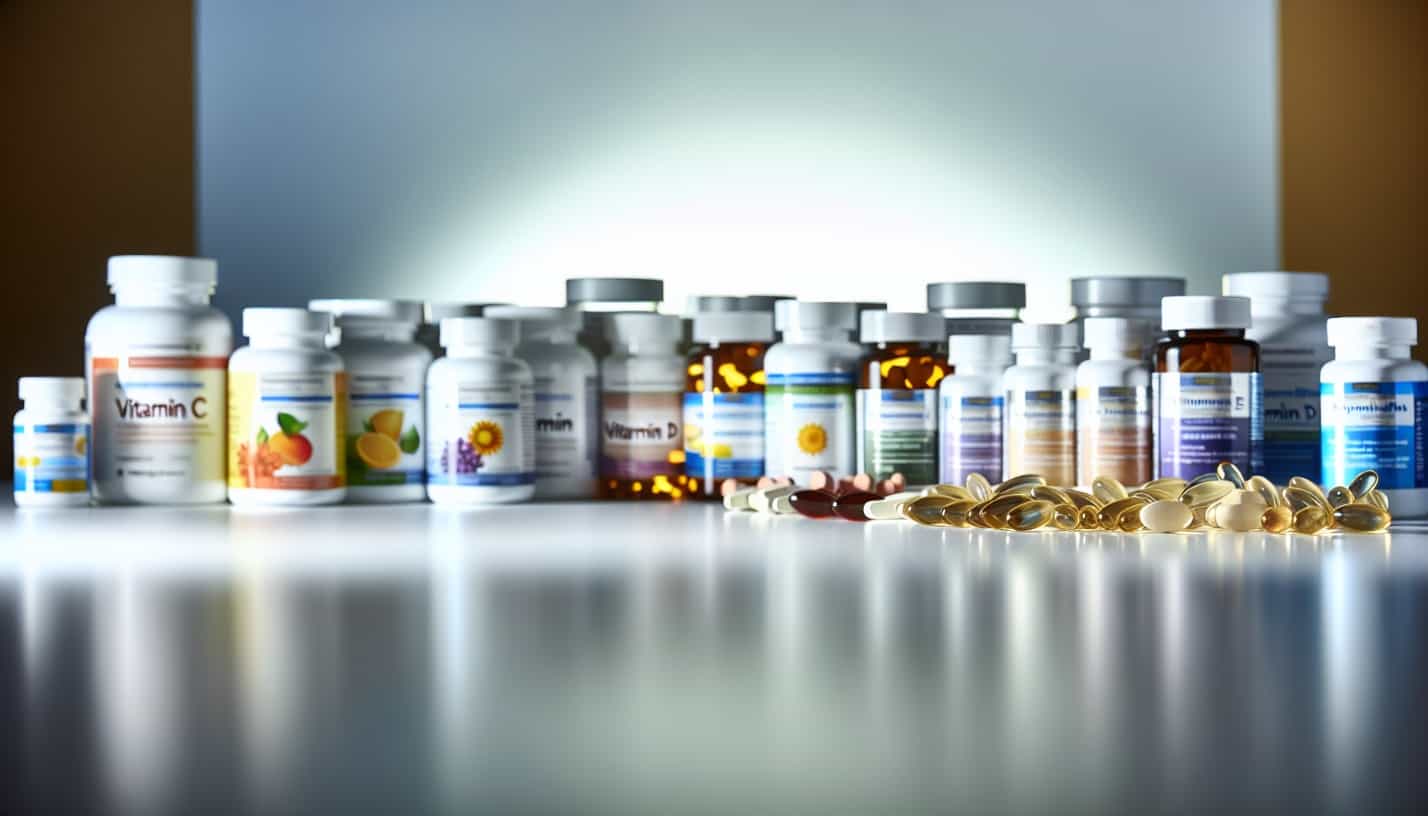
With an understanding of how vitamins influence aging, we can now unveil the top anti-aging vitamins that contribute to optimal health and decelerate the aging process. These include:
- Vitamins A, B complex, C, D, E, and K
- Coenzyme Q10 (CoQ10)
- Omega-3 Fatty Acids
- Resveratrol
- Probiotics
While it is desirable to get your nutrients through dietary sources, taking vitamins and supplements can ensure you get the recommended daily allowances and integrate anti-aging supplements, too.
Of the Top 10 Anti-Aging Vitamins and Supplements, many can be obtained through a multivitamin, including vitamins A, B Complex, C, D, E, and K. However, many multivitamins do not include Vitamin K, so we recommend Centrum, which includes Vitamin K, which is important for anti-aging. Resveratrol is easily obtained through diet, and we are including a few recommendations here for CoQ10, Omega-3 Fatty Acids, and Probiotics.
Vitamin A
Vitamin A robustly supports healthy immune function, along with:
- organ health
- vision
- skin rejuvenation
By aiding cell-to-cell communication and facilitating cellular growth, it plays a crucial role in the health and proper functioning of organs such as the heart and lungs.
It’s also integral to maintaining proper vision and preventing age-related macular degeneration. Plus, it contributes to skin rejuvenation through its role in skin cell regeneration.
Vitamin B Complex
The Vitamin B complex, encompassing vitamins B9 (folic acid) and B12, is recognized for its ability to decelerate biological aging, especially in senior women. Additionally, B vitamins like B12, B6, and B3 are crucial for supporting improved hormone production and maintaining healthy hormone levels in the body.
Nicotinamide Riboside (NR), a form of vitamin B found in foods like fruits, vegetables, meat, and milk, is a precursor to NAD+, a crucial player in cellular energy production.
Vitamin C
As a potent antioxidant, Vitamin C has several benefits for the skin:
- It neutralizes harmful free radicals, enhancing its anti-aging effects.
- It stimulates collagen production, which is essential for maintaining skin structure and elasticity.
- Topical application of Vitamin C, combined with sunscreen, can prevent sun damage.
- It can improve the appearance of wrinkles, dark spots, and acne.
Consuming a diet rich in antioxidants, such as Vitamin C, is associated with lower risks of chronic diseases often linked to aging.
Vitamin D
Working in tandem with calcium, Vitamin D significantly contributes to bone health and decreases the risk of fractures in frail elderly individuals. It’s also pivotal for immune function, helping to regulate innate and adaptive immune responses, which is especially beneficial for aging adults.
Older adults often require Vitamin D supplementation due to an increased risk of deficiency. The recommended doses are a minimum of 15 mcg (600 IU) daily for those 51 to 70 years old, but not more than 100 mcg (4,000 IU) daily.
Vitamin E
Vitamin E is an antioxidant associated with a decreased occurrence of myocardial infarction and stroke, suggesting it plays a role in lowering the risk of these chronic diseases. Its consumption may improve skin firmness and elasticity, providing skin protection and a youthful appearance.
Furthermore, Vitamin E’s antioxidant properties help support the immune system, offering an additional facet to its anti-aging benefits.
Vitamin K
Vitamin K is a lesser-known but equally important anti-aging vitamin. It plays a critical role in bone health and may help prevent Alzheimer’s disease. While research on this vitamin is ongoing, it’s clear that Vitamin K is a crucial component of our anti-aging arsenal.
Coenzyme Q10 (CoQ10)
Coenzyme Q10 (CoQ10) is an antioxidant produced by the body that plays a role in:
- Energy production
- Protecting against cellular damage
- Supporting heart health
- Facilitating cellular energy generation
- Contributing to increased general vigor
Supplementation with CoQ10 might enhance heart health, improve energy production, reduce oxidative stress, and slow age-related physical decline, with a notable impact on older adults.
Omega-3 Fatty Acids
Omega-3 fatty acids, while not technically vitamins, are crucial in any anti-aging regimen. They can help:
- lessen inflammation throughout the body
- enhance the sensitivity of hormone receptor sites, which is crucial for brain health
- improve joint health and skin suppleness by reducing inflammation.
Resveratrol
Resveratrol is a polyphenol antioxidant found in:
- Red wine
- Grapes
- Blueberries
- Peanuts
It may promote longevity by activating enzymes called sirtuins, with animal studies suggesting a potential increase in lifespan.
While the recommended form of consuming resveratrol is in moderation through food sources, supplements can provide a concentrated dosage.
Probiotics
While not vitamins, probiotics are vital for a healthy gut microbiome and crucial for metabolizing nutrients and maintaining hormonal balance. Foods like yogurt, a nutrient-rich source of probiotics, help promote gut health, may improve bone health, reduce the risk of chronic disease, and support the immune system.
How to Incorporate Anti-Aging Vitamins into Your Diet

Understanding these anti-aging vitamins is a vital first step, but learning how to integrate them into your dietary habits is equally crucial. Including a variety of nutrient-rich foods in your diet can ensure an intake of essential anti-aging vitamins. Fruits and vegetables, for instance, are prime sources of Vitamins A, C, and E.
However, dietary intake alone may not suffice in providing these essential vitamins for everyone. Some individuals with specific dietary restrictions, older adults, or those with certain health conditions may require supplements to meet their nutritional needs for anti-aging vitamins. When choosing a supplement, it’s essential to look for high-quality options that provide vitamins in the most bioavailable form and to be aware of possible interactions with prescription medications.
Food Sources

Consuming a high quantity of fruits and vegetables, rich in vitamins, is linked to better health and possibly greater longevity. A balanced diet containing essential vitamins, minerals, flavonoids, and polyphenols can help protect against cognitive decline, illness, and the effects of aging, providing numerous health benefits.
Foods like green tea, rich in EGCG, a polyphenol compound, have health-enhancing properties. The epigenetic clock, indicative of biological age, is subject to modulation by dietary choices, highlighting the importance of a nutrient-rich diet in anti-aging strategies.
Supplementation

Dietary improvements, such as vitamin supplementation, may slow down the biological aging process. Supplements like saffron containing crocin have anti-inflammatory and cellular protective properties, including anti-inflammatory effects. However, it’s essential to consider the safety profiles of these supplements, as high doses can have potential sensitivities and increased mortality risks.
Understanding the distinction between natural and synthetic forms is key when choosing anti-aging supplements. Considerations such as bioavailability, ingredient identification, and personal values influence decisions. Always consult with a healthcare professional to ensure the appropriateness of supplements for individual health needs.
Lifestyle Habits to Complement Anti-Aging Vitamins
In addition to a balanced diet and supplementation, certain lifestyle habits can complement the function of anti-aging vitamins and further reduce the effects of aging. These include regular exercise, stress management, and quality sleep, which reduce biological age, lower the risk of developing age-related diseases, and promote healthy aging, contributing to a healthier and more youthful appearance.
Regular Exercise
Regular exercise enhances cardiovascular responses to physical activity, which commonly deteriorate with age, thus fostering healthier aging. Endurance training in older adults is associated with less age-related decline in aerobic capacity. Exercise has been shown to maintain or increase muscle mass and strength, which can decline with age, reducing the risk of sarcopenia.
Resistance training in older adults can lead to:
- Muscle hypertrophy, counteracting the natural loss of muscle mass and strength with age
- Regular exercise also acts as a stress reliever
- Contributes to a lower biological age associated with better health and longevity.
Stress Management
Chronic stress can hasten aging by shortening telomeres, the indicators of biological aging. The body’s stress response system, heavily influenced by the stress hormone cortisol, plays a significant role in how stress affects aging.
Hormonal imbalances affecting aging can be induced by various factors, including stress levels, which are closely linked to diet, sleep quality, and exposure to toxins.
Sleep Quality
Quality sleep aids the body in repairing damaged cells and tissues, mitigating the damage caused by oxidative stress, and potentially decelerating the biological aging process. Quality sleep contributes to increased production of growth hormone, which helps with muscle growth and cell rebuilding and potentially reduces signs of aging.
Consistent quality sleep can mitigate negative changes in skin hydration, complexion, and skin elasticity, including peeling skin, dehydration, and glossy skin associated with sleep deprivation.
Summary
In summary, aging is a natural process, but its effects can be slowed down with the right combination of anti-aging vitamins, supplements, a balanced diet, and a healthy lifestyle. Vitamins A, B complex, C, D, E, and K, and Coenzyme Q10 (CoQ10), Omega-3 Fatty Acids, Resveratrol, and probiotics are crucial in promoting healthy aging. Regular exercise, stress management, and quality sleep are equally important in this journey. So, let’s make the most of these tools and embrace aging with grace and vitality.
Frequently Asked Questions
What is the best supplement for aging skin?
The best supplements for aging skin include collagen, omega-3 fatty acids, probiotics, Vitamins A, E, D, and selenium. These nutrients are pivotal in maintaining skin structure, elasticity, and firmness.
What are the top 10 anti-aging vitamins?
To combat aging, consider including vitamins A, B complex, C, D, E, K, Coenzyme Q10, Omega-3 fatty acids, Resveratrol, and probiotics in your diet. These vitamins and supplements can help support overall skin health and longevity.
What lifestyle habits can complement anti-aging vitamins?
In addition to taking anti-aging vitamins, incorporating regular exercise, stress management, and quality sleep into your lifestyle can further enhance their effectiveness in reducing the effects of aging.
How does exercise contribute to healthy aging?
Regular exercise contributes to healthier aging by improving cardiovascular health, maintaining muscle mass and strength, and relieving stress. This can lead to a better quality of life as we age.
Resources
Consuming about 3 grams of omega-3 fatty acids a day may lower blood pressure. (2023, January 24). www.heart.org. https://www.heart.org/en/news/2022/06/01/consuming-about-3-grams-of-omega-3-fatty-acids-a-day-may-lower-blood-pressure#:~:text=The%20National%20Institutes%20of%20Health,of%20omega%2D3%20fatty%20acids.
Hjalmarsdottir, F. (2023, July 13). How much omega-3 should you take per day? Healthline. https://www.healthline.com/nutrition/how-much-omega-3
How do we age? (n.d.). Max Planck Institute for Biology of Ageing. https://www.age.mpg.de/how-do-we-age
Landete, J. M., Gaya, P., Rodríguez, E., Langa, S., Peirotén, Á., Médina, M., & Arqués, J. L. (2017). Probiotic bacteria for healthier aging: immunomodulation and metabolism of phytoestrogens. BioMed Research International, 2017, 1–10. https://doi.org/10.1155/2017/5939818
Simes, D., Viegas, C. S., Araujo, N., & Marreiros, C. (2019). Vitamin K as a Powerful Micronutrient in Aging and Age-Related Diseases: Pros and Cons from Clinical Studies. Int J Mol Sci, 20(17).
Vitamins and minerals for older adults. (2021, January 2). National Institute on Aging. https://www.nia.nih.gov/health/vitamins-and-supplements/vitamins-and-minerals-older-adults
Recommended Further Readings:
If you are interested in learning more about low-impact exercises for older adults, please read our recent article. https://healthylivingessentials.org/2024/02/28/7-essential-low-impact-exercises-for-seniors-boost-your-longevity-vitality/
