

Dynamic Versus Static Stretching: What Seniors Need to Know for Optimal Flexibility
As we age, maintaining flexibility and mobility becomes increasingly important. Regular static and dynamic stretching can significantly enhance these aspects of health, contributing to a more active and enjoyable lifestyle. In this blog, we’ll explore two primary types of stretching: dynamic and static. Understanding the differences and benefits of dynamic versus static stretching for seniors can help you choose the right stretching routine that suits your needs and capabilities.
Understanding Dynamic Stretching
Dynamic stretching involves performing gentle, motion-based stretches. Rather than maintaining a pose, you repeatedly move parts of your body through stretches that progressively increase your reach and speed of movement. This method uses active muscular effort and mimics the motion of the exercise or sport you will be doing. For instance, arm circles, walking lunges, and gentle leg swings serve as dynamic warm-up stretches that engage the muscles differently from static stretching.
If you are interested in learning more about low-impact exercises for seniors, please check out our earlier blog.
Benefits of Dynamic Stretching
Dynamic stretching offers multiple benefits, particularly as a warm-up tool:
- Enhances Muscle Temperature: By moving continuously, dynamic stretches help increase the temperature of your muscles, making them more elastic and less prone to injuries.
- Increases Blood Flow: As you move, your heart rate increases, and more blood pumps through your body, delivering oxygen and nutrients more effectively to muscle tissues.
- Improves Range of Motion: Dynamic stretching can help enhance your range of motion, thus improving your joints’ ability to move through their full range of motion during exercise or daily activities.
- Prepares the Body Holistically: This type of stretching mimics the movements of the activity you are about to engage in, helping prepare your body and mind for the exercise. It can serve as a mental checklist of body parts, ensuring everything is primed and ready for action.
- Reduces Injury Risk: Improved elasticity and muscle temperature significantly decrease the risk of overstretching or tearing muscles to prevent future injuries.
Research Supporting Dynamic Stretching
A substantial body of research underscores the effectiveness of dynamic stretching. For example, a study from the Journal of Strength and Conditioning Research found that dynamic stretching enhances muscular performance and contributes to greater power and flexibility during subsequent exercise. This is particularly crucial for athletes or individuals engaged in high-performance activities.
Practical Application of Dynamic Stretching
Implementing dynamic stretching into a workout routine can be straightforward. Here’s how you can get started:
- Warm-Up Routine: Begin with 5 to 10 minutes of light aerobic activity such as jogging or brisk walking. Follow up with dynamic stretching exercises relevant to the workout you will be engaging in.
- Sport-Specific Stretches: For athletes, incorporate movements that mimic the specific demands of your sport. For instance, a soccer player might perform dynamic leg swings to prepare for kicking motions.
- Daily Activities: Even if you’re not an athlete, dynamic stretches can be beneficial. Routine dynamic stretching can ease simple tasks like reaching for items on high shelves or bending down.
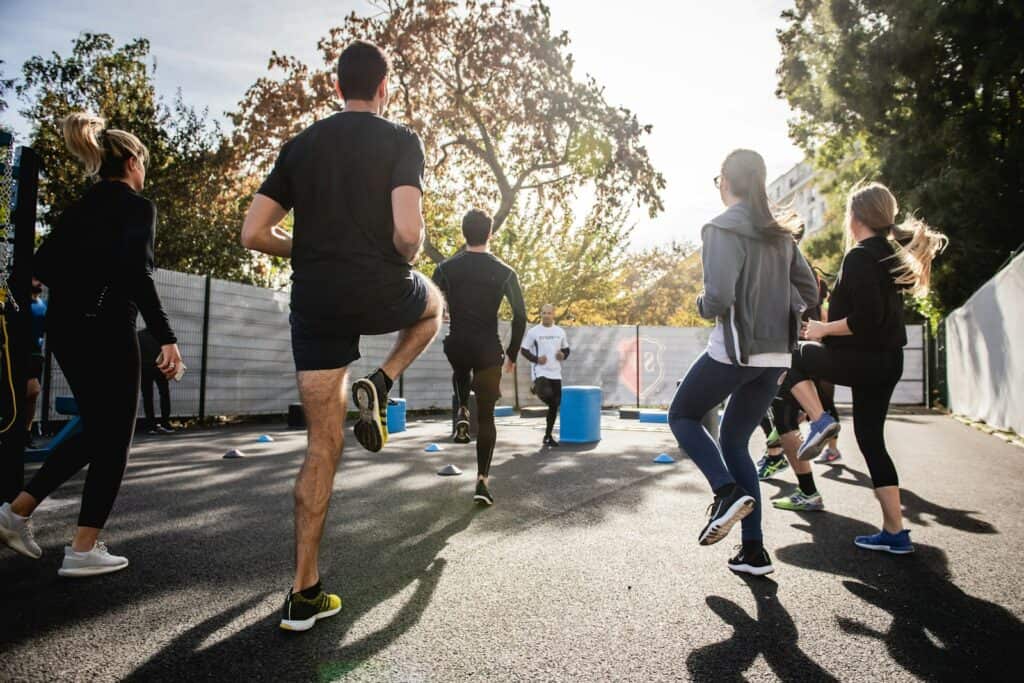
Seniors, in particular, can benefit immensely from dynamic stretching. Gentle movements help maintain flexibility, balance, and strength, which are crucial for daily activities and overall health. Exercises like arm swings, walking lunges, and controlled leg lifts can be modified to match their fitness levels, ensuring safety and efficacy.
Understanding Static Stretching
Static stretching is a form of flexibility training that involves extending a muscle to its fullest lengthened position and holding that position for a prolonged period, typically between 15 and 60 seconds.
This type of stretching is beneficial during the cooldown phase of exercise because it allows muscles to relax, aids in the realignment of muscle fibers, and promotes faster recovery.
By facilitating a slower pace and controlled movements, static stretching helps to decrease the heart rate gradually and prepares the body to transition back to a state of rest.
For older adults and seniors, engaging in static stretching is crucial as it contributes to better mobility and reduces the risk of injuries by enhancing muscular flexibility and joint range of motion. Some safe and effective static stretches for older adults include:
Practical Application of Static Stretching
- Seated Toe Touches: Sitting on the ground with legs extended, lean forward to touch the toes. This stretch targets the lower body, including the hamstrings and lower back, helping to alleviate tightness in these areas.
- Overhead Triceps Stretches: While seated or standing, raise one arm overhead, bend the elbow to touch the opposite shoulder blade, and use the other hand to pull the elbow gently. This movement stretches the triceps and can help relieve any postural stress from the upper back.
- Calf Stretches Against a Wall: Place hands on a wall with one foot close to the wall and the other extended back, keeping the heel on the ground. Push gently against the wall while keeping the back leg straight to stretch the calf muscles of the extended leg.
Research and Benefits Supporting Static Stretching
Research supports the efficacy of static stretching in improving flexibility, particularly among older populations. A study published in the Archives of Physical Medicine and Rehabilitation notes that regular static stretching significantly enhances flexibility, reducing stiffness and discomfort.
This type of stretching has been shown to improve the elastic properties of the muscle-tendon unit, increase circulation, and possibly reduce the risk of injuries by preparing muscles for the strains of physical activity.
Moreover, incorporating static stretching into daily routines can offer psychological benefits as well, such as relaxation and stress relief. The calming nature of holding stretches for extended periods can also have meditative effects, helping to reduce anxiety and improve mental focus.
Despite these benefits, seniors should consult with a healthcare provider or a physical therapist to ensure that the stretches performed are safe and appropriate for their specific health needs. This personalized guidance can help maximize the benefits of static stretching while minimizing potential risks.

Comparing Dynamic and Static Stretching
Dynamic stretching involves active movements where joints and muscles go through a full range of motion. These stretches are generally performed as part of a warm-up routine to prepare the body for physical activity. The goal of dynamic stretching is to increase flexibility and elevate the heart rate and blood flow to the muscles, thereby reducing the risk of injuries and enhancing performance.
Static stretching, on the other hand, involves extending a muscle to its fullest length and holding that position for 20 to 30 seconds. This form of stretching is most effective after exercising, during the cool-down phase when the body is still warm. The purpose is to relax and elongate the muscles that were exerted during the workout, thereby helping to reduce muscle tension and soreness.
When and How to Use Each Type of Stretching:
- Dynamic Stretching: Ideal for pre-exercise warm-ups. It should be dynamic and specific to the movements of the activity you will engage in.
- Static Stretching: Best suited for the post-exercise cool-down. Focus on the major muscle groups used during your workout and hold each stretch for about 20-30 seconds.
Understanding the differences between dynamic and static stretching and incorporating them appropriately into your fitness regimen can greatly enhance your physical capabilities and protect against injuries. You can maintain a healthy, well-balanced fitness routine by using dynamic stretches to prepare for activity and static stretches to recover and improve flexibility.
Why Stretching is Crucial for Seniors
For seniors, stretching’s importance extends beyond the traditional view of maintaining flexibility. It’s a critical element in preserving mobility, preventing injuries, and promoting mental health, thereby significantly enhancing the overall quality of life.
Increased Flexibility
Our muscles naturally tend to lose strength and elasticity as we age, leading to decreased flexibility. This reduction can impact daily activities, making simple tasks like bending, turning, or even walking more challenging. Regular stretching can counter these effects by maintaining the length and health of muscle fibers. This not only helps keep the muscles supple but also assists in performing daily activities with ease and less discomfort.
Improved Mobility
Mobility is crucial for maintaining independence as we age. Stretching exercises improve the range of motion in joints, which is fundamental for movement efficiency and safety. Improved joint mobility means seniors can enjoy more freedom in their movements and engage more actively in their hobbies and daily routines without the hindrance of stiffness or joint pain.
Injury Prevention
The risk of injuries increases with age due to factors like decreased bone density, joint degeneration, and slower reaction times. Regular stretching strengthens the support around joints and enhances muscle coordination, which can prevent falls and the associated injuries. Stretching also helps in better muscular control and balance, which are key requirements to avoid future injuries through overuse or strains.
Mental Well-being
The benefits of stretching also extend to mental health. Engaging in a regular stretching routine can significantly reduce stress levels and enhance mood. Stretching helps release endorphins, the body’s natural painkillers and mood elevators. Moreover, the focused, meditative nature of stretching can provide a mental break from daily stresses, promoting relaxation and mindfulness. This mental clarity and reduced anxiety contribute to better sleep patterns and overall well-being.
Practical Tips for Safe Stretching
For seniors interested in incorporating stretching into their routines, here are some safe practices:
- Consult with a healthcare provider before beginning any new exercise regimen, especially if you have existing health conditions.
- Warm up gently before dynamic stretching to avoid straining cold muscles.
- Start slowly and gradually increase intensity and duration to avoid overstretching.
- Listen to your body. Stretching should never cause pain. If it hurts, you may be pushing too hard.
10-15 Minute Dynamic Stretching Routine (Before Exercise)
Purpose: To warm up the muscles and prepare the body for physical activity, reducing the risk of injury.
Dynamic Warm-Up Stretches
Arm Circles
- Duration: 1 minute
- Instructions: Stand with your feet shoulder-width apart. Extend your arms parallel to the floor and make small circles, gradually increasing the size of the circles. After 30 seconds, switch the direction of the circles.
Walking High Knees
- Duration: 2 minutes
- Instructions: Gently lift your knee as high as comfortable towards your chest while stepping forward. Alternate legs with each step. Use a wall or chair for balance if necessary.
Leg Swings
- Duration: 2 minutes
- Instructions: Hold onto a chair or wall for balance. Swing one leg forward and backward gently. Continue for 1 minute per leg.
Torso Twists
- Duration: 1 minute
- Instructions: Stand with feet hip-width apart. Extend your arms out to the sides at shoulder height. Gently twist your torso to the right, then to the left, alternating sides slowly.
Side Lunges
- Duration: 2 minutes
- Instructions: Step out to the right with your right foot, bending the right knee while keeping your left leg straight. Then, return to the center and repeat on the left side. Continue alternating sides.
Ankle Rolls
- Duration: 1 minute
- Instructions: While seated or holding onto a support for balance, lift one foot off the ground and roll your ankle in circles. After 30 seconds, switch to the other ankle.
10-15 Minute Static Stretching Routine (After Exercise)
Purpose: To cool down the muscles, improve flexibility, and aid in recovery post-exercise.
Static Stretches
Hamstring Stretch
- Duration: 2 minutes
- Instructions: Sit on the floor with one leg extended out and the other leg bent inward. Reach toward the toes of your extended leg. Hold for 1 minute per leg.
Calf Stretch
- Duration: 2 minutes
- Instructions: Stand facing a wall with one foot in front of the other. Bend the front knee while keeping the back leg straight and the heel on the ground. Lean forward against the wall. Hold for 1 minute per leg.
Triceps Stretch
- Duration: 2 minutes
- Instructions: Raise one arm overhead, bend the elbow, and use the other hand to pull the elbow behind your head gently. Hold for 1 minute per arm.
Quadriceps Stretch
- Duration: 2 minutes
- Instructions: While standing, pull one foot towards your buttocks, keeping your knees together and pushing your hips forward. Hold onto a chair for balance. Hold for 1 minute per leg.
Shoulder Stretch
- Duration: 2 minutes
- Instructions: Bring your right arm across your chest, and use your left hand to press against your right arm for a deeper stretch, gently. Hold for 1 minute per arm.
Implementing These Routines
Both routines are designed to fit into a short window of time, making them practical for daily exercise. They can be modified to increase or decrease intensity based on individual fitness levels and mobility constraints. Always remember to consult with a healthcare provider before starting any new exercise regimen, especially if you have health concerns or mobility limitations.
Conclusion
Static and dynamic stretching are vital in maintaining health and mobility, especially for seniors. Incorporating stretching into a daily routine is a simple yet effective way for seniors to improve their physical health and mental well-being. The benefits of maintaining flexibility, mobility, and injury prevention through regular stretching are invaluable in enhancing the quality of life.
Furthermore, the psychological benefits of reduced stress and increased relaxation significantly promote a positive outlook, making stretching an all-encompassing activity for senior health. Regular engagement in stretching activities can help seniors maintain their independence and thrive in their later years.
